


Heating your home efficiently is not just about comfort—it’s about making informed decisions that impact energy use, cost, and overall performance. One of the most important yet often overlooked aspects of home heating is understanding radiator BTU ratings. Whether you are upgrading your system or simply trying to improve warmth in colder rooms, knowing how BTUs work can make a significant difference.
If you have ever browsed heating options such as Stelrad Radiators, you may have noticed BTU figures listed alongside each product. These numbers are not just technical details—they are essential indicators of how effectively a radiator can heat a space.
What Does BTU Mean in Heating?
BTU stands for British Thermal Unit. It measures the amount of heat required to raise the temperature of one pound of water by one degree Fahrenheit. In practical terms, it tells you how much heat output a radiator can deliver.
Why BTU Matters for Your Home
Understanding BTU ratings helps ensure that each room receives the right level of warmth. Too low, and your space will feel cold and uncomfortable. Too high, and you risk wasting energy and increasing heating bills unnecessarily.
A correctly sized radiator ensures:
- Consistent indoor temperatures
- Improved energy efficiency
- Reduced strain on your heating system
How to Calculate the Right BTU for a Room
Selecting the correct BTU output is not guesswork. It depends on several factors unique to your home.
Key Factors That Influence BTU Requirements
Room size is the most obvious consideration, but it is not the only one. Ceiling height, insulation quality, window size, and even room usage all play a role.
For example:
- Larger rooms require higher BTU outputs
- Rooms with poor insulation need extra heat
- Spaces with large windows lose heat more quickly
- Bathrooms often need higher BTUs for comfort
In many cases, homeowners rely on BTU calculators to estimate their needs. These tools consider multiple variables and provide a more accurate recommendation than simple measurements alone.
Matching Radiator Output to Room Needs
Choosing a radiator is not just about style or size—it is about performance. A radiator must deliver enough heat to balance heat loss within the room.
By the time you explore options like Stelrad Radiators, you will notice that each model is designed with specific BTU outputs in mind. This allows homeowners to match radiator performance directly with their room requirements, ensuring optimal heating efficiency.
The Risk of Undersized or Oversized Radiators
An undersized radiator struggles to heat the room, leaving cold spots and forcing your system to work harder. On the other hand, an oversized radiator may heat the space quickly but can lead to energy inefficiency and inconsistent temperatures.
Striking the right balance is key.
Understanding Heat Loss in Your Home
Heat loss is the amount of warmth that escapes from a room. It directly affects how many BTUs you need.
Common Sources of Heat Loss
Heat can escape through various parts of your home, including:
- Windows and doors
- Walls and insulation gaps
- Floors and ceilings
- Ventilation systems
Older homes, in particular, may experience higher heat loss due to less effective insulation. This means higher BTU requirements compared to modern, energy-efficient properties.
Types of Radiators and Their BTU Output
Different radiator designs offer varying levels of heat output. Understanding these differences can help you choose the right model for your space.
Panel Radiators
These are among the most common types. They provide steady heat and are suitable for most rooms.
Column Radiators
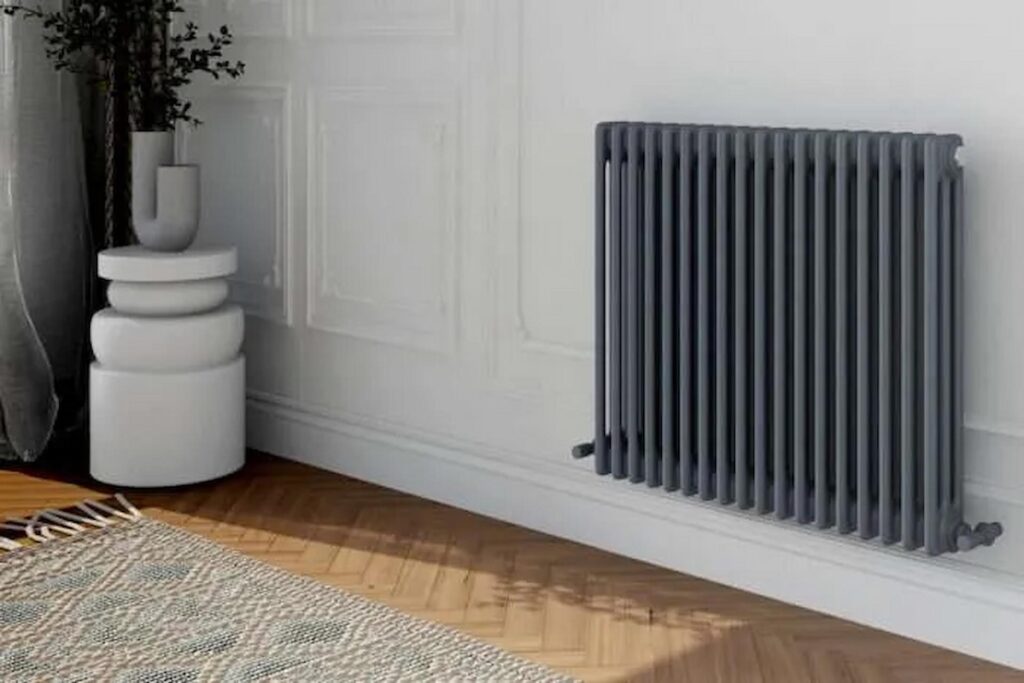
Known for their traditional design, column radiators often offer higher BTU outputs due to their larger surface area.
Designer Radiators
While visually appealing, designer radiators can vary widely in BTU performance. It is essential to check their specifications carefully rather than relying on appearance alone.
Practical Tips for Choosing the Right BTU
Selecting the correct radiator does not need to be complicated. A few practical steps can simplify the process:
- Measure your room accurately, including ceiling height
- Consider insulation quality and window size
- Use an online BTU calculator for precision
- Account for room usage (e.g. living room vs bathroom)
- Choose a radiator with slightly higher BTU if unsure
These steps can help avoid costly mistakes and ensure long-term comfort.
Improving Heating Efficiency Beyond BTUs
While BTU ratings are crucial, they are only part of the equation. Overall heating efficiency also depends on how well your system is maintained and used.
Simple Ways to Enhance Performance
Bleeding your radiators regularly ensures they heat evenly. Adding reflective panels behind radiators can reduce heat loss through walls. Upgrading insulation and sealing gaps can also significantly improve heat retention.
Thermostatic radiator valves (TRVs) allow you to control the temperature of individual rooms, helping you use energy more efficiently.
Common Misconceptions About BTU Ratings
Many homeowners assume that higher BTU always means better heating. This is not necessarily true.
A radiator with excessive BTU output can:
- Waste energy
- Increase heating costs
- Create uneven temperature distribution
Another common misconception is that all radiators of similar size produce the same heat. In reality, design and material play a major role in determining BTU output.
When to Seek Professional Advice
While many homeowners can calculate BTU requirements independently, complex layouts or older properties may benefit from expert guidance.
Heating professionals can:
- Conduct detailed heat loss assessments
- Recommend suitable radiator types
- Ensure system compatibility
This is particularly useful during full heating system upgrades or renovations.
Conclusion
Understanding radiator BTU ratings is essential for creating a warm, efficient, and cost-effective home. By learning how BTUs relate to room size, heat loss, and radiator design, you can make informed decisions that improve both comfort and energy performance.
Rather than relying on guesswork, take the time to assess your space, use reliable tools, and choose radiators that meet your specific needs. With the right approach, you can achieve consistent warmth throughout your home while keeping energy consumption under control.